

Advantages
FlexFS is designed to directly target object storage as native block storage. Object storage systems deliver thousands of always-on servers, high aggregate throughput, low usage costs, and high durability.
FlexFS mount clients bypass traditional storage service intermediaries, so throughput matches the underlying object storage capability. To address object storage latency for small file operations, flexFS provides optional caching clusters called proxy groups that cache a configurable number of each file’s leading blocks close to compute. The result is a filesystem with high throughput and durability that requires minimal infrastructure.
Traditional Parallel Filesystems
Section titled “Traditional Parallel Filesystems”Traditional parallel filesystems predate cloud adoption and lack direct object storage communication. All I/O operations are routed through a storage service — typically a cluster of instances with ephemeral NVMe drives. This architecture creates operational expense and potential throughput constraints.


FlexFS Architecture
Section titled “FlexFS Architecture”FlexFS is built expressly around object storage. Mount clients read and write blocks directly to the object store. To mitigate latency, proxy groups provide configurable caching of partial file blocks close to compute.


Workflow Comparison
Section titled “Workflow Comparison”Typical object storage workflow
Section titled “Typical object storage workflow”Without a POSIX filesystem layer, working with data in object storage requires a download-process-upload pattern:
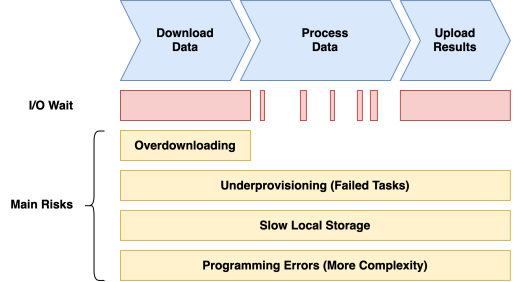
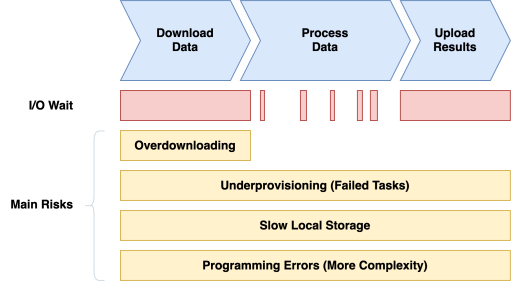
FlexFS workflow
Section titled “FlexFS workflow”With flexFS, applications read and write files in place — no download or upload steps are needed:
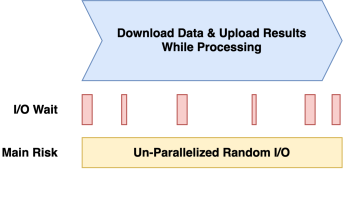
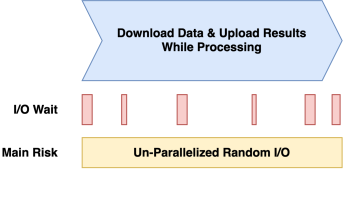
This approach reduces engineering complexity and total I/O wait times through efficient block streaming and compression, lowering computing costs.