

Performance
Aggregate Read Throughput
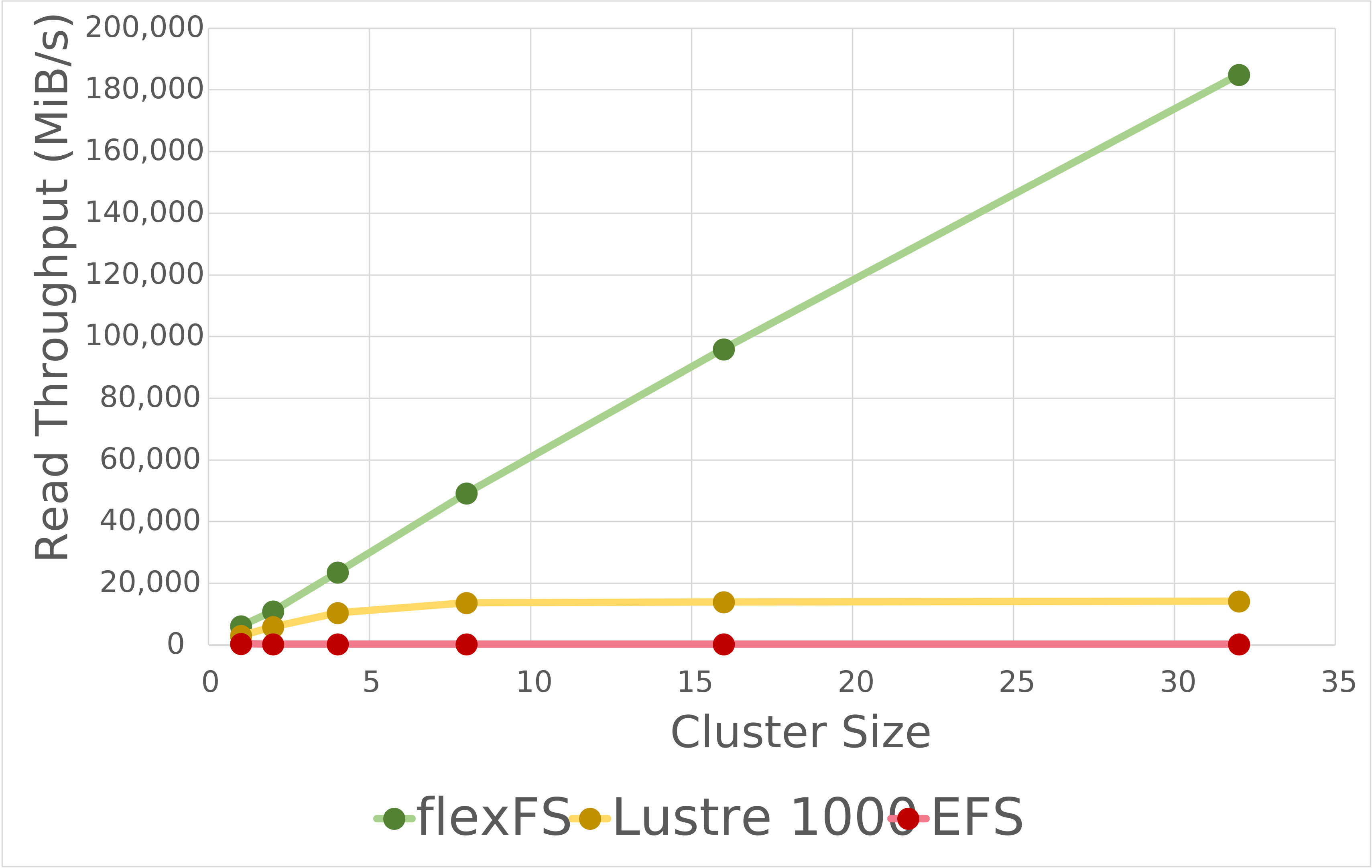
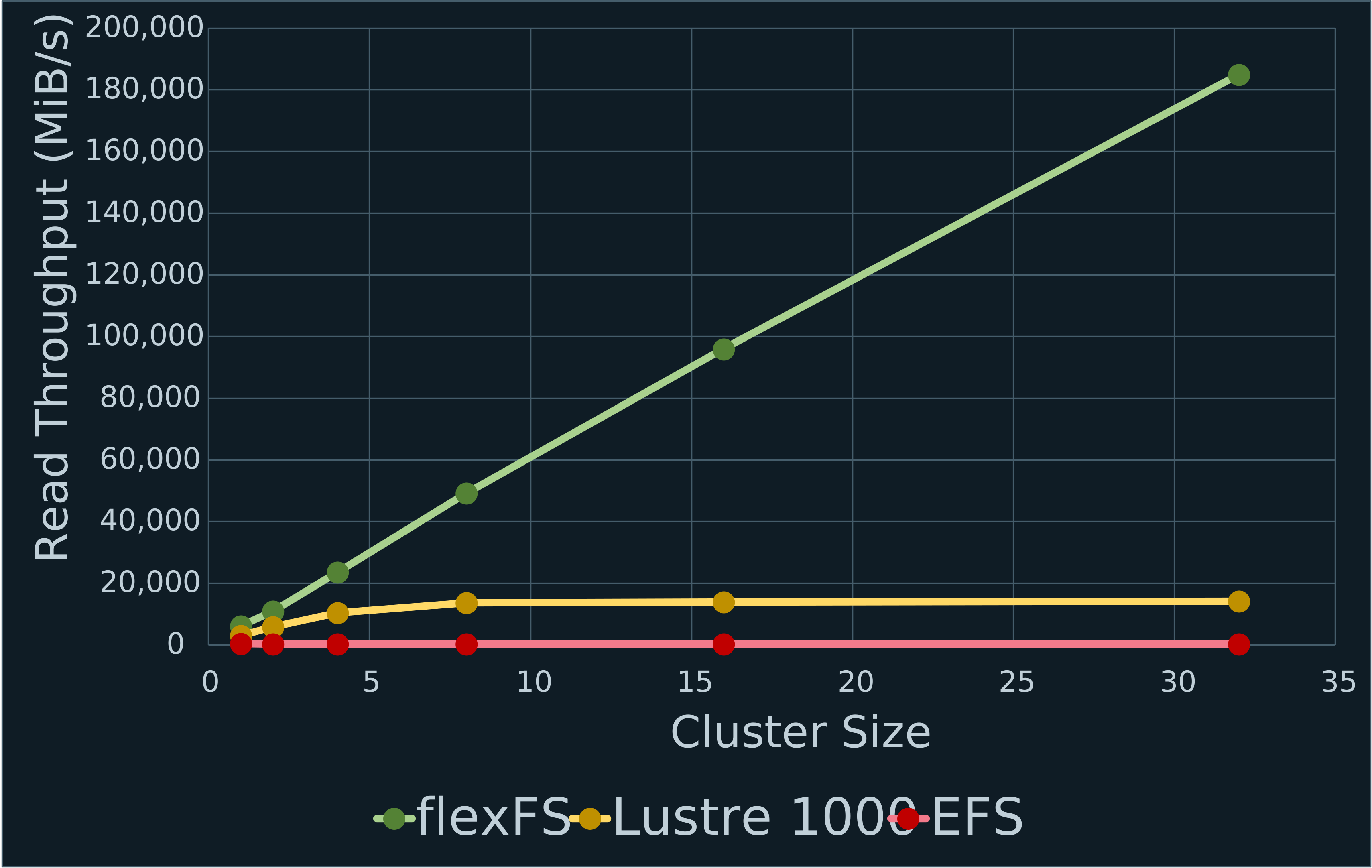
Section titled “Aggregate Read Throughput”Aggregate read throughput is the key performance metric for I/O-bound data analysis clusters. The following chart compares flexFS against AWS EFS and FSx for Lustre across varying cluster sizes.
Benchmark configuration:
- Tool: DFS-Perf (similar results observed with alternative tools)
- Workload: 64 threads per host, each concurrently reading 2 GiB files
- FSx for Lustre: 12,000 GiB provisioned, 12,000 MiB/s throughput ($7,200/mo)
- Instance type: AWS c6gn.16xlarge
Real-World Task: Bioinformatics
Section titled “Real-World Task: Bioinformatics”To illustrate real-world performance, the following benchmark processes UK Biobank chromosome data — filtering and converting genetic data files using PLINK, a standard bioinformatics tool.


While S3 offers economical storage, processing tasks against S3 data incurs higher execution time and computing expenses than against a POSIX filesystem, so total cost of ownership must account for both storage and compute.